
Screeding for self-builders
On a self-build, the screed goes down after the house is closed in and the heating pipes are tested, and before the plaster has finished drying out. It's often the first trade that has to wait for the building, and its drying decides when the floors can go down. 1,393 one-off houses were finished in our ten counties from January to September 2026 (CSO).
The big choice is sand and cement (65 mm floating) or liquid screed (35 to 45 mm), and with underfloor heating that choice changes the drying by weeks.
Free, no obligation. One local screeding contractor prices it, not five.
Where it fits in the build
- Closed inRoof on, windows and doors in or sealed.
- First fixElectrics, plumbing, ducts.
- Floor build-upRadon barrier and sump if needed, insulation, perimeter strip, heating pipes clipped and tested.
- ScreedLiquid screed is pumped in; sand and cement is laid and compacted by hand, room by room.
- Plaster and dryVentilate: plaster and screed both give off moisture.
- Heating commissionedBefore flooring.
- Test, then floor75% RH for most finishes.
Self-builder decisions
- Sand and cement or liquid: with underfloor heating, liquid is thinner over the pipes (25 mm cover) and calcium sulphate can be force dried from day 7.
- Floor zone: a thinner screed leaves room for insulation to reach the ground floor U-value (0.15 W/m²K with underfloor heating, TGD L).
- Falls: a level-access shower needs a screed laid to falls, and a liquid screed can't be.
- Finish: wood flooring often needs a drier screed than tiles. Decide early.
- Winter: a closed, heated house, with the air inside between 5°C and 20°C when a liquid screed is laid.
Every screed type for a house, explained for homeowners, is on floorscreeding.ie. The liquidscreed.ie floor check gives a depth and drying estimate in three taps.
Screed laid by the contractor who takes your call
Calls on this site ring JAM Floor Screeding: James Mulhall, based in Portlaoise, 25 years laying floors. Lines open Mon to Sat, 7am to 6pm. These are his jobs.
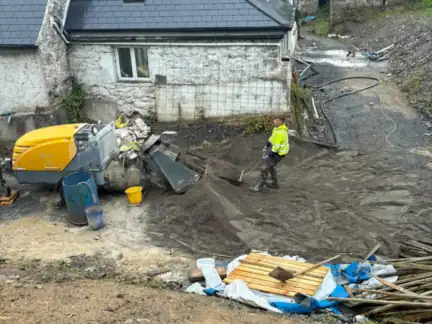
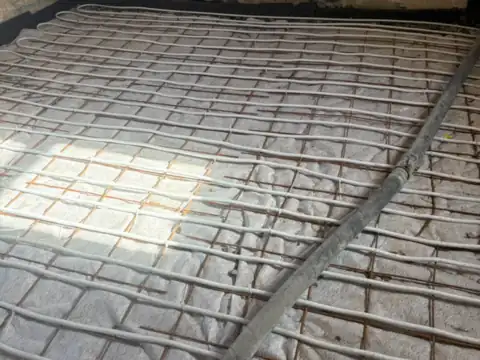
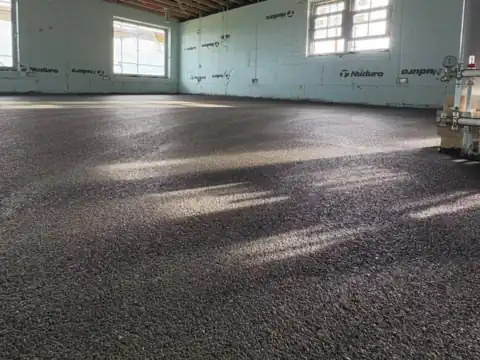
“JAM were punctual, professional and efficient and did an outstanding job on pouring our new floor as part of a renovation. Very highly recommend!”
“Excellent work, laser level finish, neat and tidy worker, highly recommend.”
“Top class work by james and his crew, highly recommend”
Quoted word for word from JAM Floor Screeding's Google reviews. Read them on Google
Send the job in 4 quick taps
Tell us about the job. It goes to one screeding contractor who covers your county, and they ring you to price it from the drawings.
Floor Screeding guides & price breakdowns
Straight answers to what people ask most: itemised costs, specifications, planning or grants, and what to check before you book.
More guides & resources: All guides & calculator hub · Technical & trade glossary · Frequently asked questions · All areas covered · About this site
Self-build questions
When does screed go down on a self-build?
After the house is closed in, first fix is done and the heating pipes are tested, usually before or with plastering.
Sand and cement or liquid screed for a self-build?
With underfloor heating, liquid is thinner (35 to 45 mm against 65 mm) and can be force dried. Sand and cement suits falls and small areas.
How long before I can lay floors on a new screed?
Weeks to months: see the drying table. A moisture test at 75% RH, or the flooring maker's figure, decides.
How many one-off houses are built in these counties?
1,393 from January to September 2026 in our ten counties (CSO NDQ06).
Floor Screeding across all 26 counties
Requests from all 26 counties go to one vetted local specialist who covers your county — from Dublin, Cork, Galway and Limerick to Kildare, Meath, Wicklow, Waterford and Donegal. Pick your county below for local prices, specifications and advice. Compare all areas covered →
Send the job for a price
Four taps and your number. One screeding contractor who covers your county rings you and prices it from the drawings. Nothing is booked until you say yes.